Your listing media shapes everything — the calls you get, the offers that come in, and how fast you close. Here’s what actually matters when choosing a real estate photographer in the DMV, from someone who’s shot 4,000+ properties across this market.
To find the right real estate photographer in DC, Maryland, or Virginia, focus on four things: a portfolio with properties similar to yours (not just luxury showcases), confirmed next-day delivery with a backup plan if they can’t make it, HDR editing included in the base price, and at least 30+ Google reviews from local agents. In the DMV market, professional real estate photography starts at $119 for 5 HDR photos and runs $199–$449 for standard shoots, with full media packages (photos, floor plans, drone, 3D tours) ranging from $299–$899. Avoid photographers who charge under $150 in this market — the cost of living here doesn’t support quality work at that price point.
But those are the quick filters. Choosing a real estate photographer in the DC metro area has layers that most “top 10” lists don’t cover, because the DMV isn’t one market — it’s a dozen markets stacked on top of each other.
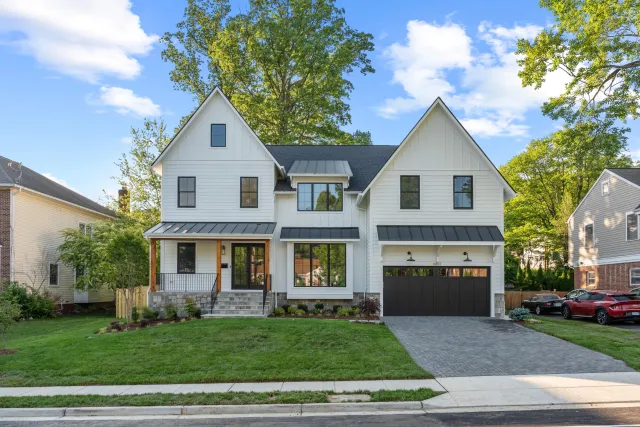
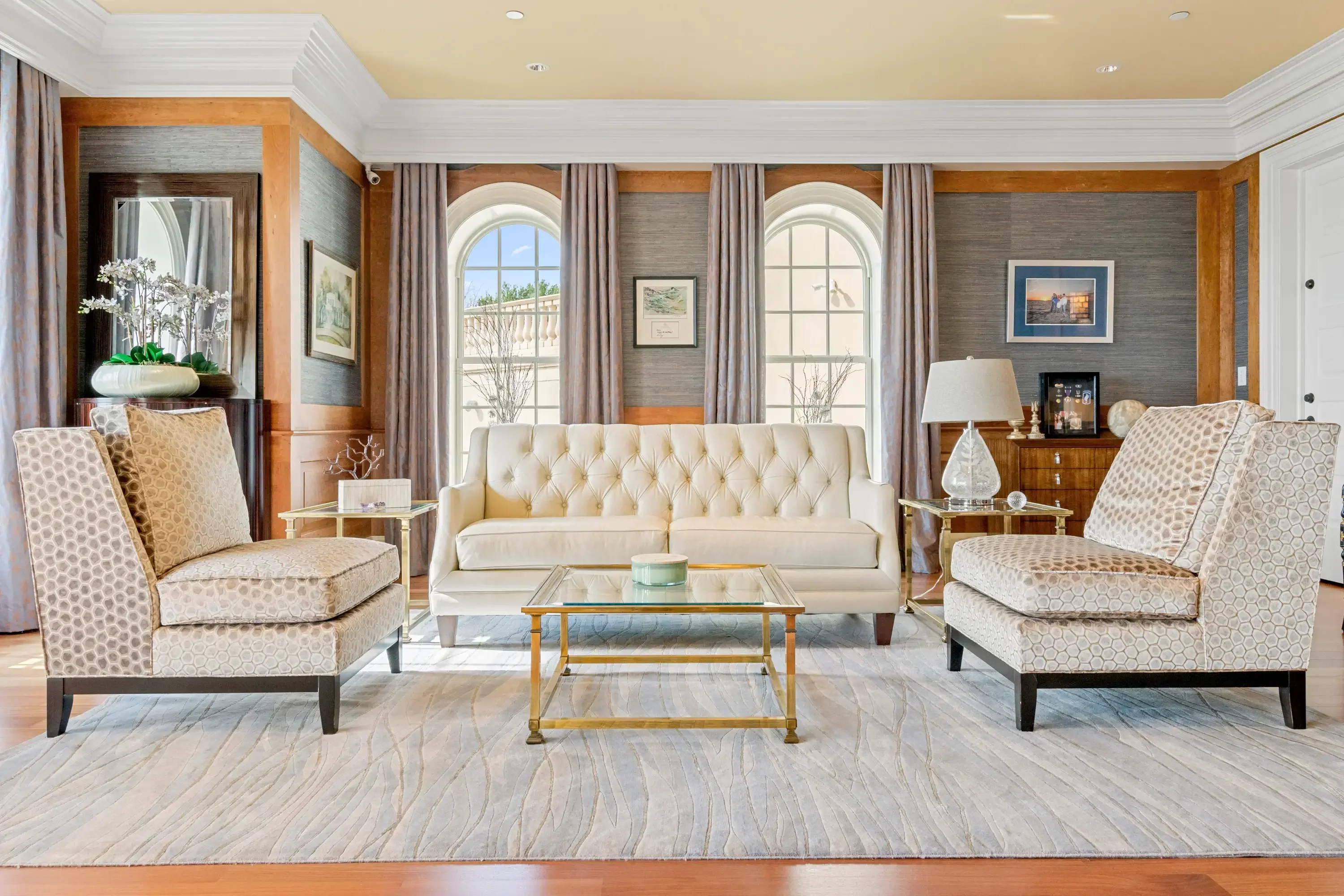
We’ve photographed luxury estates in McLean where the front door alone cost more than most cars. We’ve squeezed through 750-square-foot Capitol Hill condos where one wrong lens choice makes the living room look like a closet. We’ve shot waterfront properties in Annapolis at golden hour and brand-new construction in Ashburn where the drywall dust hadn’t fully settled.
Every one of those shoots taught us the same thing: the DMV is not one real estate market. It’s a dozen markets stacked on top of each other, and the photographer who’s great at one might be mediocre at another.
So skip the Yelp listicles. Here’s the stuff agents actually need to know before booking — the questions that separate a photographer who’ll make your listing shine from one who’ll make it sit.
The DMV Is a Different Animal
Most real estate photography advice online is written for suburban Texas or the Florida coast — big houses, big lots, lots of natural light. The DC metro area throws a different set of challenges at photographers, and if yours hasn’t worked in this market, it shows.
DC row houses and narrow townhomes. The biggest challenge in the District isn’t lighting or staging — it’s space. Row houses on Capitol Hill, Georgetown, and Petworth are long, narrow, and stacked vertically. A photographer who doesn’t know how to shoot tight interiors will either use a wide-angle lens that warps every room into a fishbowl, or they’ll miss half the house because they can’t figure out the angles. Look at their portfolio specifically for narrow properties. If every shot looks like a hotel lobby, ask how they handle a 12-foot-wide living room.
Northern Virginia new construction. Arlington, Reston, Ashburn, and the Loudoun corridor are full of new builds — and they all look similar. White kitchens, gray LVP, open floor plans. The photographer’s job here isn’t just to document the space; it’s to make your listing stand out from the 15 identical floor plans on Zillow. That means creative angles, attention to builder upgrades, and knowing which details (countertop edge profiles, lighting fixtures, hardware) actually signal quality to buyers scrolling at 11 PM.
Maryland’s mix of everything. Bethesda and Potomac have luxury properties that need the full treatment — twilight shots, drone coverage, staging. But drive 20 minutes to Silver Spring or College Park and you’re shooting condos and townhomes where the entire media budget might be $300. A good DMV photographer handles both without phoning it in on the smaller jobs.
Seasonal light and weather. DC isn’t Phoenix. From November through February, you’re working with shorter days, overcast skies, and bare trees. A photographer who only delivers great exteriors in June isn’t much help when you’re listing in January. Ask to see winter portfolio samples — if they don’t have any, that tells you something.
What to Actually Look For
Skip the photographers’ “About” pages (everyone says they’re passionate and detail-oriented). Here’s what actually predicts whether you’ll be happy with the results.
Check Their Portfolio for Properties Like Yours
This sounds obvious, but most agents don’t do it. If you’re listing a $400K condo in Fairfax, looking at a photographer’s $2M McLean estate shots tells you nothing. Ask for samples of properties in your price range, your property type, and ideally your neighborhood. The way light hits a garden-level unit in Navy Yard is fundamentally different from how it plays in a Colonial with south-facing windows in Falls Church.
Ask About Turnaround Time — Then Ask What Happens When They Miss It
Next-day delivery is table stakes in this market. Most DMV photographers promise it. The real question is: what happens when something goes wrong? Do they have backup photographers if someone gets sick? What’s their policy on rush delivery if your seller moves the listing date up? The answer reveals whether you’re working with a business or a freelancer who happens to own a camera.
Look at Their Google Reviews — But Read the Negative Ones
A 5.0 rating with 15 reviews is a different thing than a 4.8 with 200 reviews. Both can be good, but the second one tells you more about consistency. When you read reviews, pay attention to what agents specifically mention: turnaround speed, communication, how the photos looked on MLS, whether the photographer was easy to work with on-site. Generic “great photos!” reviews don’t tell you much.
Ask About Their Equipment and Approach
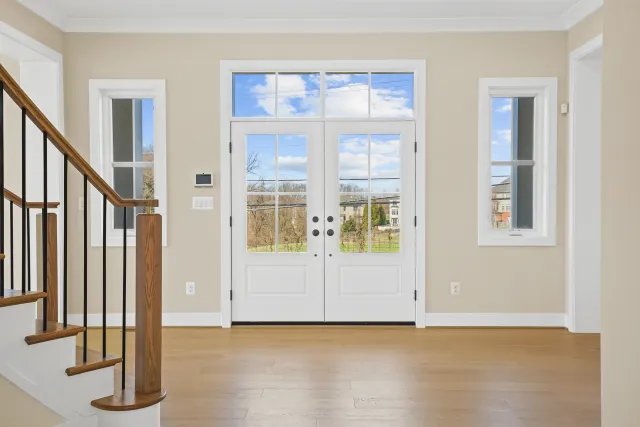
You don’t need to be a camera expert, but a couple questions reveal a lot. Do they shoot HDR? (If the answer is no, keep looking — single-exposure real estate photos look flat and amateur on MLS.) Do they use flash? Do they bring their own lighting for darker spaces? Do they straighten verticals in editing? Do they shoot the exterior at a different time than the interior if the light requires it? A photographer who has clear, specific answers to these questions knows their craft. One who says “I just let the camera do its thing” is winging it.
Understand What’s Actually Included
Pricing varies wildly in the DMV — from $100 for a guy with an iPhone to $500+ for a full production shoot. The number itself matters less than what’s behind it. At minimum, make sure the price includes:
- HDR editing (not just straight-out-of-camera files)
- MLS-ready formatting (sized and optimized for Bright MLS and major portals)
- Exterior and interior coverage (some photographers only quote for one)
- Commercial usage rights (you’d be surprised how many photographers retain rights to the images)
- Next-day delivery as a standard commitment, not an upgrade
Services like drone photography, twilight shots, floor plans, video tours, Matterport 3D tours, and virtual staging are usually add-ons. The best photographers in this market let you mix and match these services so you can build the right package for each listing instead of paying for things you don’t need.
Services That Actually Move the Needle
Not every listing needs the full media suite. Here’s a realistic breakdown of when each service earns its cost back.
HDR Photography: Every Listing, Every Time
This is non-negotiable. Listings with professional photos sell 32% faster and get significantly more views on Zillow, Redfin, and Realtor.com. Even for a $300K condo, the difference between professional HDR and iPhone photos is the difference between 50 showing requests and 5. In the DMV, quality HDR photography starts at $119 for 5 photos and typically runs $199–$449 for standard residential shoots depending on the size of the property and number of photos.
Floor Plans: The Most Underrated Listing Asset
Here’s something a lot of agents don’t realize: floor plans are the number one thing buyers want after photos. Not video, not drone shots — floor plans. They help remote buyers (and there are a lot of them in the DMV, thanks to military relocations, government transfers, and corporate moves) understand whether a house actually works for them before they fly in for a showing. A 2D floor plan costs around $149 and can save you three unnecessary showings with buyers who would’ve realized the layout didn’t work.
Drone Photography: When It’s Worth It (and When It’s Not)
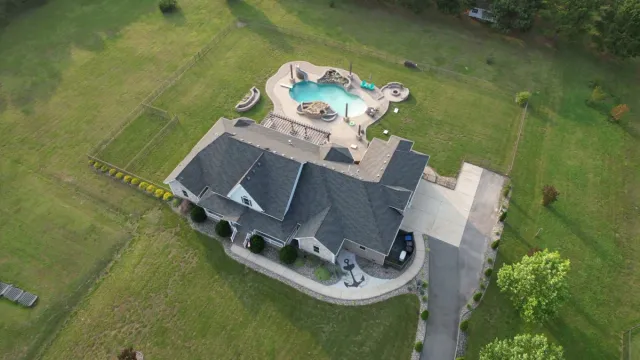
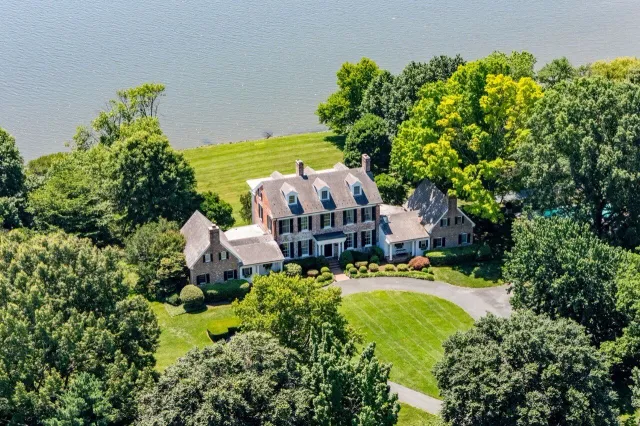
Aerial shots are powerful for properties with acreage, waterfront views, pools, or a location story to tell (proximity to parks, schools, metro). They’re a waste of money for a mid-level condo or a townhome in a dense development where the aerial view is just a sea of identical rooftops. In Northern Virginia and Maryland’s suburban markets, drone photography makes the most impact on properties above $600K with meaningful outdoor space or a notable setting.
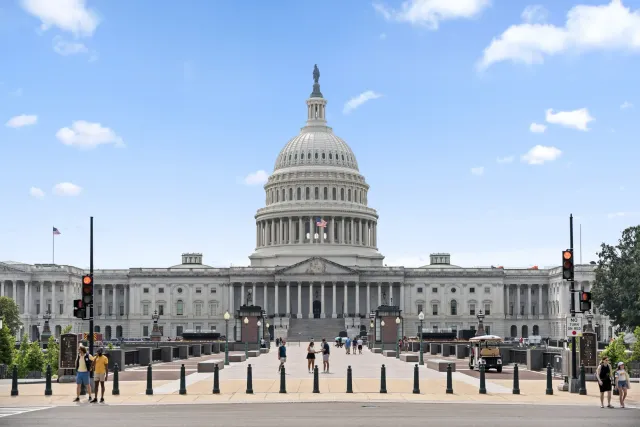
One important note: the DMV has significant airspace restrictions. Parts of DC are no-fly zones entirely, and areas near Reagan National, Dulles, and Andrews require specific FAA authorization. Make sure your photographer is FAA Part 107 certified and actually understands the local airspace — not just someone who bought a drone last month.
3D Virtual Tours: The Remote Buyer Advantage
The DMV has a disproportionately high number of buyers who can’t physically visit a property before making an offer — military families relocating to the Pentagon or Fort Belvoir, government employees transferring to federal agencies, corporate professionals moving for work. A Matterport 3D virtual tour lets these buyers walk through the property from their laptop. Listings with virtual tours get dramatically more engagement, and in a market with this many out-of-area buyers, that engagement converts to offers.
Video Tours: Social Media and Luxury
Video is where the DMV market is heading fast. Short-form video (30–60 second reels) is becoming essential for marketing on Instagram and TikTok, while full cinematic video tours are expected at the luxury level ($1M+). If you’re not using video yet, a social reel is the easiest entry point — quick to produce, easy to share, and effective at stopping the scroll.
Virtual Staging: Empty Rooms, Full Potential
Vacant properties are hard to sell. Buyers walk in, see bare walls and empty rooms, and can’t picture themselves living there. Physical staging costs $2,000–$5,000+ in the DMV and requires scheduling, furniture delivery, and removal. Virtual staging gets you 80% of the impact for about $24 per photo — and it’s ready the same day your photos are delivered.
Red Flags to Watch For
After shooting thousands of properties across this market, here are the warning signs we’d tell any agent to watch out for:
No local portfolio. If a photographer can’t show you work from DC, Northern Virginia, or Maryland, they probably haven’t worked here. DMV properties have specific challenges (tight spaces, seasonal light, airspace restrictions) that require local experience.
Rock-bottom pricing. If someone is charging $75 for a full residential shoot in a market where the cost of living is among the highest in the country, something is off. Either they’re cutting corners on editing, using entry-level equipment, or they’re just starting out and using your listing as practice.
Vague turnaround promises. “Usually 2–3 days” is not the same as “by the next business day.” In this market, the difference between getting your photos Monday night versus Wednesday morning can mean losing a full weekend of showings.
No backup plan. Things happen — photographers get sick, cars break down, weather forces rescheduling. Ask what happens if they can’t make it. A solo operator with no backup means your listing launch gets pushed. A team-based company can usually send someone else.
Unwillingness to reshoot. If you’re not happy with the results, a good photographer will come back and fix it. Ask about their revision policy before you book. “All sales final” on a creative service is a red flag.
How to Get Started
Choosing a real estate photographer doesn’t need to be complicated. Here’s the simplest approach:
Look at their portfolio for properties similar to yours. Read their Google reviews (not just the rating — the actual content). Confirm turnaround time and what’s included. Book a shoot for a listing that isn’t your most important one, so you can evaluate the experience without high stakes.
If the photos, communication, and delivery meet your standards, you’ve found your photographer. If not, try another one. Most agents in the DMV end up working with 2–3 photographers before finding the one they stick with long-term.
The ones who stick around do so because they’re consistent. Not just good on the showcase listing — good on every listing, every time, even the $350K garden-level condo that doesn’t get a lot of love. That consistency is what builds your brand and keeps sellers choosing you.