AI is everywhere in real estate right now. Every conference keynote mentions it. Every tech vendor claims it. Every agent wonders whether they’re falling behind if they’re not using it.
Here’s the reality: AI is genuinely useful for real estate marketing — but only for specific tasks. It excels at text generation, pattern recognition, and automation. It falls completely flat at the things that actually sell homes: professional photography, authentic relationships, and local market expertise.
This guide cuts through the hype. It covers exactly what AI can do for your marketing today, what it can’t replace, and how to use both AI tools and professional services together for maximum impact.
What AI Does Well for Real Estate Agents
1. Listing Descriptions
This is AI’s strongest use case in real estate marketing. Tools like ChatGPT and Claude can generate compelling listing descriptions in seconds.
How to use it:
- Input the property details: beds, baths, square footage, lot size, key features, recent upgrades
- Specify the tone: luxury, family-friendly, investor-focused, first-time-buyer
- Include neighborhood highlights: walkability, schools, commute times, nearby amenities
- Generate 2-3 versions and pick the strongest elements from each
Best practice: always edit the AI draft for accuracy and voice. AI doesn’t know that the “charming café nearby” closed last year or that the school district just got redistricted. Your local knowledge is the quality check.
Example prompt:
Write a listing description for a 4-bedroom, 3-bath colonial in Falls Church, VA. 2,800 sq ft, updated kitchen with quartz counters, hardwood floors throughout, fenced backyard with mature trees. Walking distance to Mosaic District. Tone: professional, appealing to young families.
The AI will produce a solid draft in seconds. Your job is to refine it with details only a local agent would know.
2. Email Campaigns and Follow-Ups
AI can draft and personalize email sequences that would take hours to write manually:
- New listing announcements tailored to different buyer segments
- Open house follow-ups that reference specific features the buyer showed interest in
- Drip campaigns for leads at different stages of the buying process
- Market update emails summarizing recent sales and trends in specific neighborhoods
- Anniversary emails to past clients (“It’s been one year since you closed on your home!”)
Most CRM platforms now include AI-powered email drafting. Use it to create the first draft, then personalize with specific details about the client and their situation.
3. Social Media Content
Consistency on social media is one of the hardest things for busy agents. AI helps by:
- Generating caption ideas for property photos and listing announcements
- Creating content calendars with post ideas for the month
- Writing neighborhood spotlight posts based on local data you provide
- Drafting educational content like home-buying tips, market insights, and seasonal advice
- Suggesting hashtags based on your market and content type
Tools to try: ChatGPT or Claude for captions, Canva AI for graphics, and scheduling tools like Buffer or Later for automated posting.
4. Lead Response and Chatbots
Speed matters in lead response. AI chatbots can:
- Respond instantly to website and social media inquiries 24/7
- Ask qualifying questions (budget, timeline, location preferences)
- Schedule showings by connecting to your calendar
- Provide property information from your listing data
- Route leads to you with context when a human conversation is needed
The data is clear: leads contacted within 5 minutes are 100x more likely to convert than those contacted after 30 minutes. An AI chatbot ensures no lead waits.
5. Market Analysis and CMAs
AI-powered tools can process market data faster than any human:
- Comparative market analysis with data-driven pricing recommendations
- Market trend summaries for specific neighborhoods or zip codes
- Investment analysis for rental yield, appreciation projections, and cash flow
- Predictive analytics identifying which homeowners in your farm area are likely to sell
These tools don’t replace your market intuition, but they give you data-backed confidence in your recommendations.
What AI Cannot Replace
Professional Photography
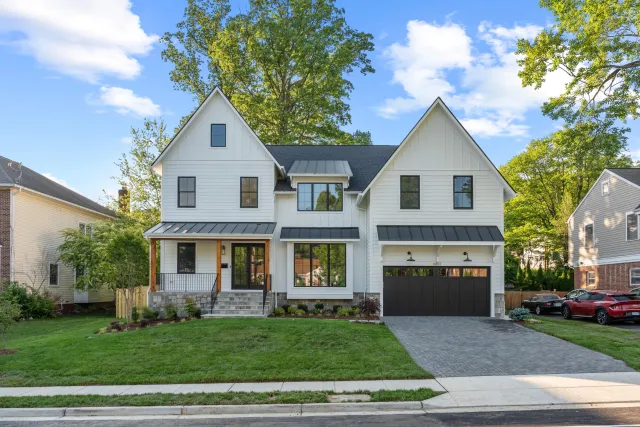
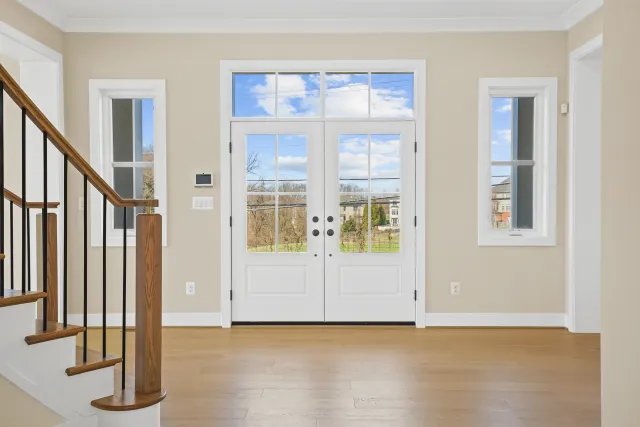
This is the most important distinction in the AI conversation for real estate. AI cannot photograph your listing.
- AI-generated property images are fake. They don’t represent the actual home and violate MLS rules
- AI cannot walk through a home, assess the best angles, manage lighting, and capture the space as it actually exists
- Professional real estate photography requires physical presence, specialized equipment, and the artistic judgment to make each room look its best
- Drone photography requires an FAA-certified pilot physically flying a drone at the property
- 3D virtual tours require scanning equipment in the actual home
AI can enhance photography workflows (editing tools, batch processing), but it cannot replace the photographer. Listings still need a professional behind the camera.
Relationship Building
Real estate is a relationship business. AI can draft the email, but it can’t:
- Read a seller’s body language during a listing presentation
- Know that a buyer’s “we’re not in a rush” actually means “our lease ends in 60 days”
- Remember that a past client’s daughter just started at the local high school
- Navigate the emotional complexity of a divorce sale or estate transaction
- Build the trust that leads to referrals 5 years from now
The agents who will thrive aren’t the ones who automate everything — they’re the ones who automate the routine work so they have more time for the human interactions that build careers.
Local Market Expertise
AI can aggregate data, but it doesn’t know your market the way you do:
- Which streets in a neighborhood are more desirable than others
- Why the house at the end of the block sold for 15% above asking (the seller’s agent staged it perfectly and held offers until Tuesday)
- That the new Metro station opening next year will transform property values in a specific area
- Which contractors do quality work and which ones cut corners
- The unwritten norms of your local MLS and agent community
This knowledge is your competitive advantage. AI makes you faster at the routine tasks so you can spend more time applying this expertise where it matters.
Video and Visual Storytelling
AI can edit video clips and suggest music, but it can’t:
- Walk through a home with a stabilized camera and capture its flow
- Direct a cinematic property video that tells a lifestyle story
- Make real-time decisions about framing, pacing, and what to highlight
- Capture authentic neighborhood footage that resonates with local buyers
Professional videography requires creative judgment and physical execution that AI simply can’t provide.
The Winning Combination: AI + Professional Services
The smartest agents don’t choose between AI and professional services. They use both — AI for efficiency and professional services for quality.
Here’s what the optimal workflow looks like:
Before the Listing
- AI: Generate initial listing description draft, create a social media content plan, draft pre-listing email to your database
- Professional: Book photography, drone, and 3D tour for the property
At the Listing Launch
- Professional: Photos, video, drone aerials, and virtual tour delivered
- AI: Refine listing description using the actual photos as reference, generate social media captions for each platform, create email announcement with property highlights
During Active Marketing
- AI: Chatbot handles initial lead inquiries, automated drip emails to interested buyers, social media scheduling and caption generation
- Professional: Virtual staging for vacant rooms, additional twilight photos if needed, video clips cut for social media
After the Sale
- AI: Generate “just sold” social media post, draft thank-you emails to all parties, create a market update incorporating the sale data
- Professional: Portfolio photos of the sold property for your website and marketing materials
Getting Started Without Overwhelm
If you’re new to AI tools, don’t try to adopt everything at once. Start with the highest-impact, lowest-effort applications:
Week 1: Listing Descriptions
Try using ChatGPT or Claude for your next listing description. Provide the property details and see what it generates. Edit for accuracy and voice. You’ll save 30-60 minutes per listing.
Week 2: Email Drafts
Use AI to draft your next open house follow-up emails or market update newsletter. Provide your key points and let AI handle the writing. Personalize before sending.
Week 3: Social Media
Generate a week’s worth of social media captions for your listings and educational content. Schedule them using a tool like Buffer. You’ve just created a week of content in 30 minutes.
Week 4: Lead Response
Set up a basic chatbot on your website or explore your CRM’s AI features. Even a simple automated response that acknowledges inquiries instantly improves conversion.
The Bottom Line
AI is a tool, not a strategy. It makes you faster at generating text, responding to leads, and creating content. But it doesn’t replace the things that actually sell homes and build careers: professional photography that stops the scroll, local expertise that earns trust, and human relationships that generate referrals.
The agents who win in the AI era are the ones who use technology to handle the routine — and invest the time they save into the professional services and personal connections that set them apart.
Ready to pair AI efficiency with professional-quality marketing? Explore Umedia’s services and see how professional photography, video, and 3D tours complement your AI-powered workflow.