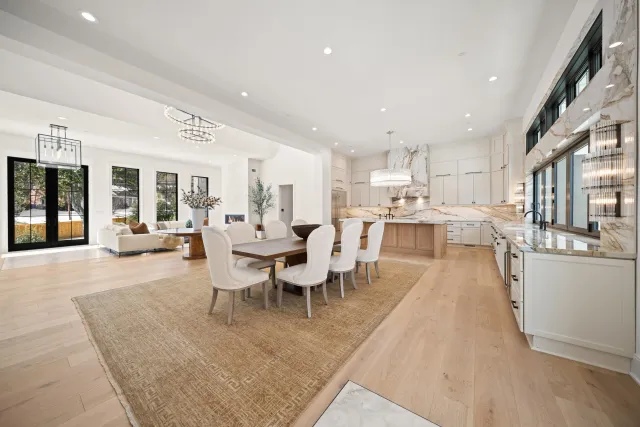
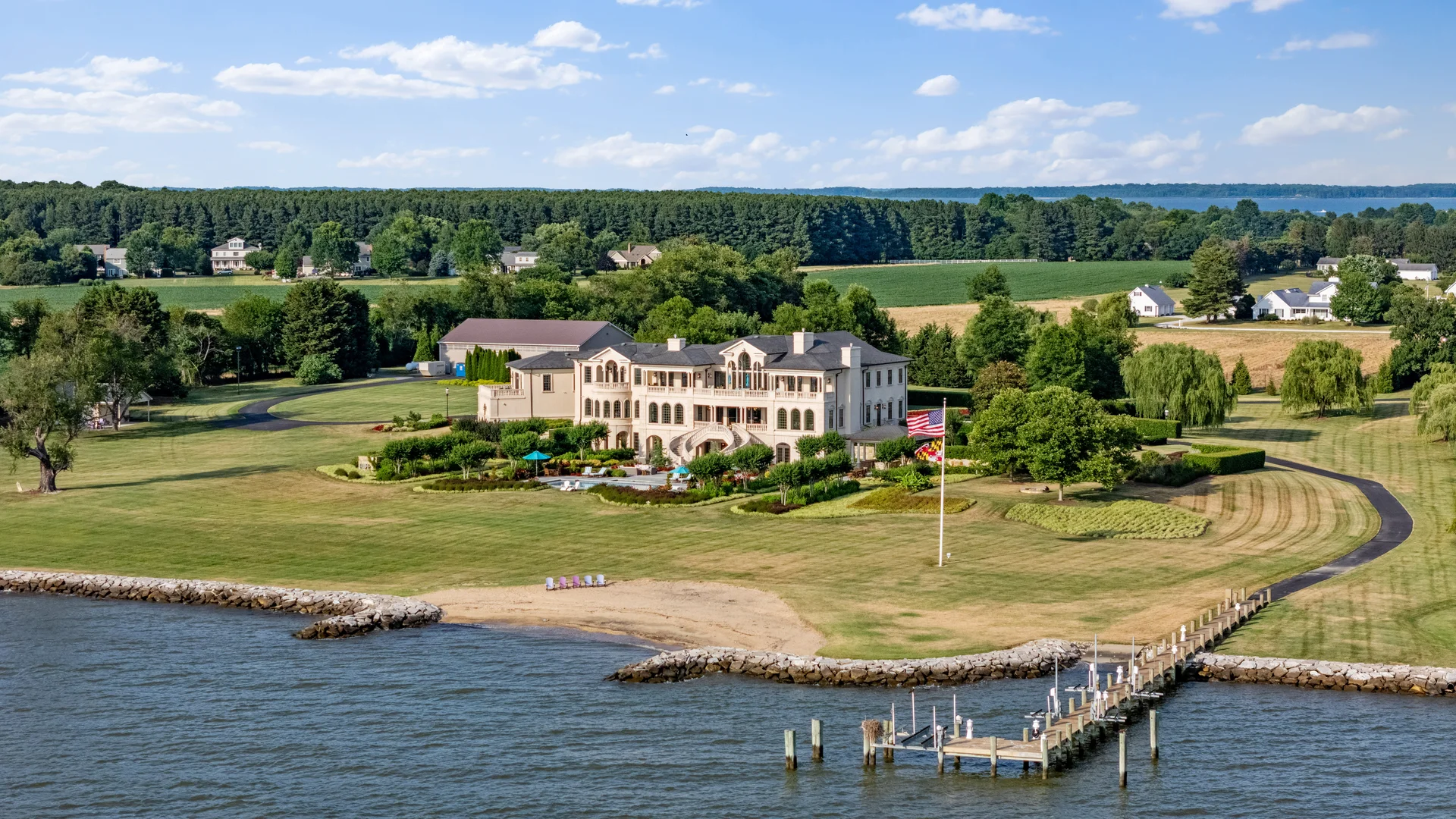
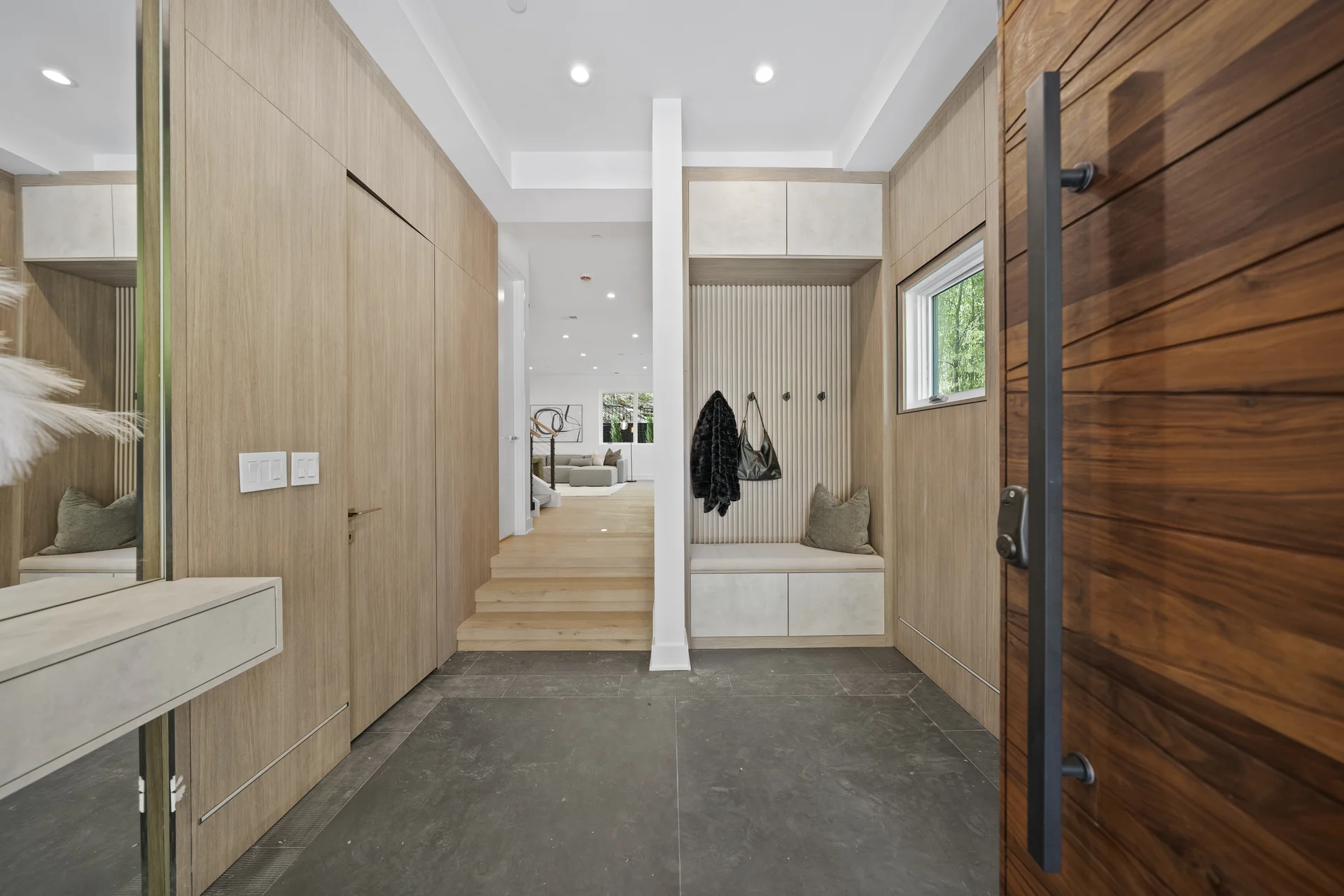
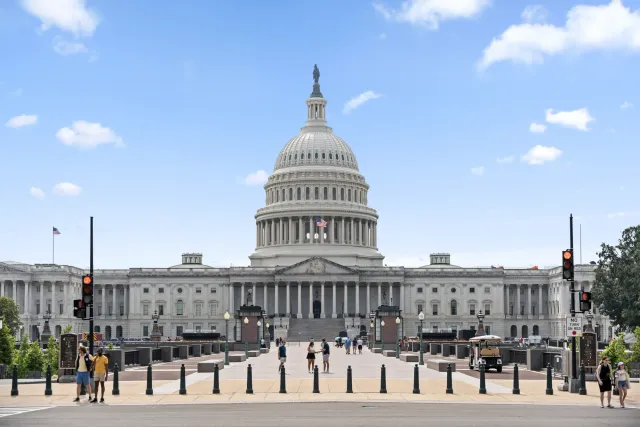
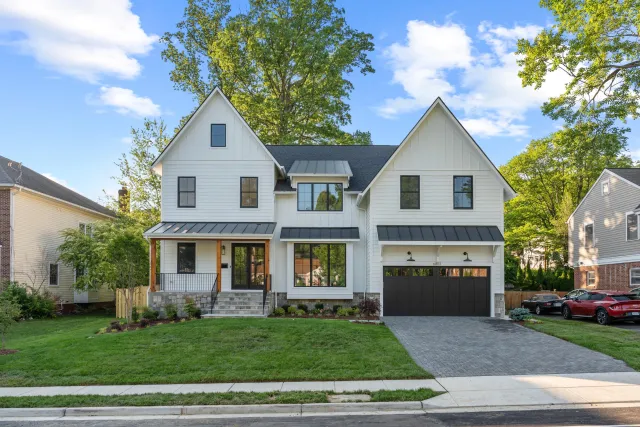
Professional photos are one of the clearest levers an Airbnb host has. A study of about 13,000 Airbnb listings summarized by Rankbreeze found that listings with Airbnb-verified professional photos got 17.5% more bookings, worth about $2,521 a year per listing (2016–17 US data). In the DC area, our short-term rental packages start at $279.
Your listing is competing against dozens, sometimes hundreds, of rentals in the same few blocks. Guests scroll through a grid of thumbnails and make split-second decisions.
Yet plenty of hosts still list with phone photos shot in bad light with an unmade bed in frame. That’s an opening for hosts who invest in better photography.
This guide covers how professional photos turn into bookings, what’s different about rental photography, what DC and Arlington rules mean for your listing photos, how to prep your rental, and what it costs. If you’d rather skip to the service, see our Airbnb and vacation rental photography page.
Why Professional Photos Win More Airbnb Bookings
Airbnb doesn’t publish its search ranking formula, so be skeptical of anyone who claims to know exactly how it weighs photos. What we do know is how guests behave: they scan thumbnails, click the ones that stand out, and book the listing that answers their questions. Professional photos help at each of those three steps.
1. Click-Through Rate
In search results, guests see a grid of thumbnails. A properly lit, well-composed hero image stands out from a dim phone shot. More clicks means more guests see your full listing.
2. Saves and Shares
Guests save listings to wishlists and send them to travel companions. Aspirational, clear photos get saved and shared more, which keeps your listing in front of the group making the decision.
3. Booking Conversion
Once a guest clicks through, professional photos remove doubt. They can see the space, the amenities and the vibe, so they feel confident about what they’re paying for. Fewer surprises at check-in also means better reviews.
Better photos mean more clicks, more bookings and more reviews, and reviews feed the next booking. That compounding effect is part of why the booking lift in the Rankbreeze-summarized study above shows up.
What Makes Rental Photography Different
Real estate listing photography and vacation rental photography look similar but do different jobs:
| Real Estate Photography | Rental Photography | |
|---|---|---|
| Goal | Show the property’s features and layout | Show the guest experience and lifestyle |
| Viewer’s question | ”Is this home worth the price?" | "Will I enjoy staying here?” |
| Key emphasis | Space, light, flow, finishes | Comfort, amenities, atmosphere |
| Styling | Depersonalized, model-home feel | Lived-in warmth, inviting touches |
| Detail shots | Countertops, fixtures, built-ins | Coffee setup, books, welcome basket |
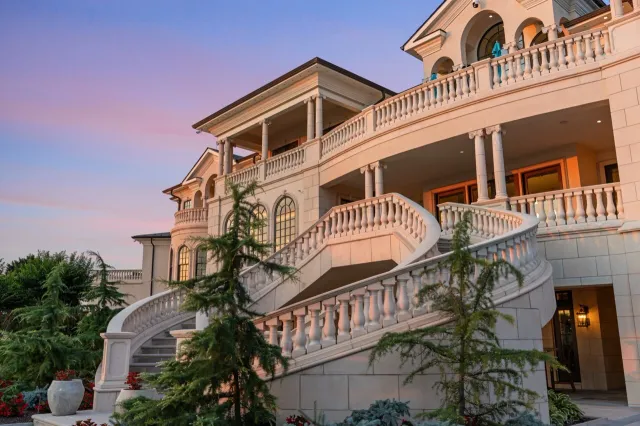
| Exterior | Curb appeal, lot size | Outdoor seating, views, walkability |
A listing photographer depersonalizes and cleans out a space. A rental photographer does the opposite: they style it to feel warm, inviting and ready for guests.
So work with a photographer who understands rentals, or at least brief yours on the difference. Our short-term rental photography packages are built around that: HDR interiors plus neighborhood and lifestyle photos of the coffee shop, the park and the walk to Metro.
DC and Arlington Short-Term Rental Rules: What They Mean for Your Photos
If your rental is in the District or Arlington, check two sets of rules before the photographer arrives: the local rental rules and the airspace rules. Neither is optional, and both shape what your listing should show. (This is a summary, not legal advice. Confirm current requirements with the jurisdiction.)
Washington, DC
According to DC’s Department of Licensing and Consumer Protection:
- Primary residence only. The property must be the host’s primary residence, and the owner must be eligible for the Homestead Deduction
- Two license types. A short-term rental license covers stays where the host is present. A vacation rental license covers whole-home stays while the host is away
- 90-night cap for vacation rentals. Whole-home stays while you’re away can’t exceed 90 nights per calendar year in total
- 30-night stay limit. Each stay is limited to 30 or fewer continuous nights
- License number on the listing. Booking platforms must show the host’s license number
- Cost: $99 for a two-year license
What it means for your photos: if you hold a host-present license and rent a bedroom suite, photograph the space guests actually get. Don’t shoot the whole house as if it’s included. And because vacation rentals in DC get at most 90 nights a year, every one of those nights matters more. That’s the strongest argument for getting photos right the first time.
Arlington, VA
Arlington County requires an Accessory Homestay permit:
- You must be the primary resident, living in the property at least 185 days a year
- Guest limit: six overnight guests per rental, or two per bedroom, whichever is greater. Detached accessory buildings are limited to three guests per night
- Annual renewal: the permit is valid for one year
What it means for your photos: stage and photograph for the guest count your permit allows. If you’re capped at six, a photo of the basement den made up with air mattresses for four more creates expectations you can’t legally meet.
The no-drone reality
All of Washington, DC, Arlington, Alexandria and the other close-in suburbs sit inside the DC Flight Restricted Zone, where drone flights for marketing photos are effectively never authorized. That applies to every photographer, including us. Our FRZ guide has the neighborhood-by-neighborhood map. For DC and Arlington rentals, a twilight exterior and neighborhood photos are the upgrade instead. For rentals farther out (Loudoun, upper Montgomery County, the Eastern Shore), drone photos are on the table.
The Essential Shot List for Maximum Bookings
Hero Image (Most Important)
Your first photo is your thumbnail in search results, and it decides whether guests click. Pick one of these:
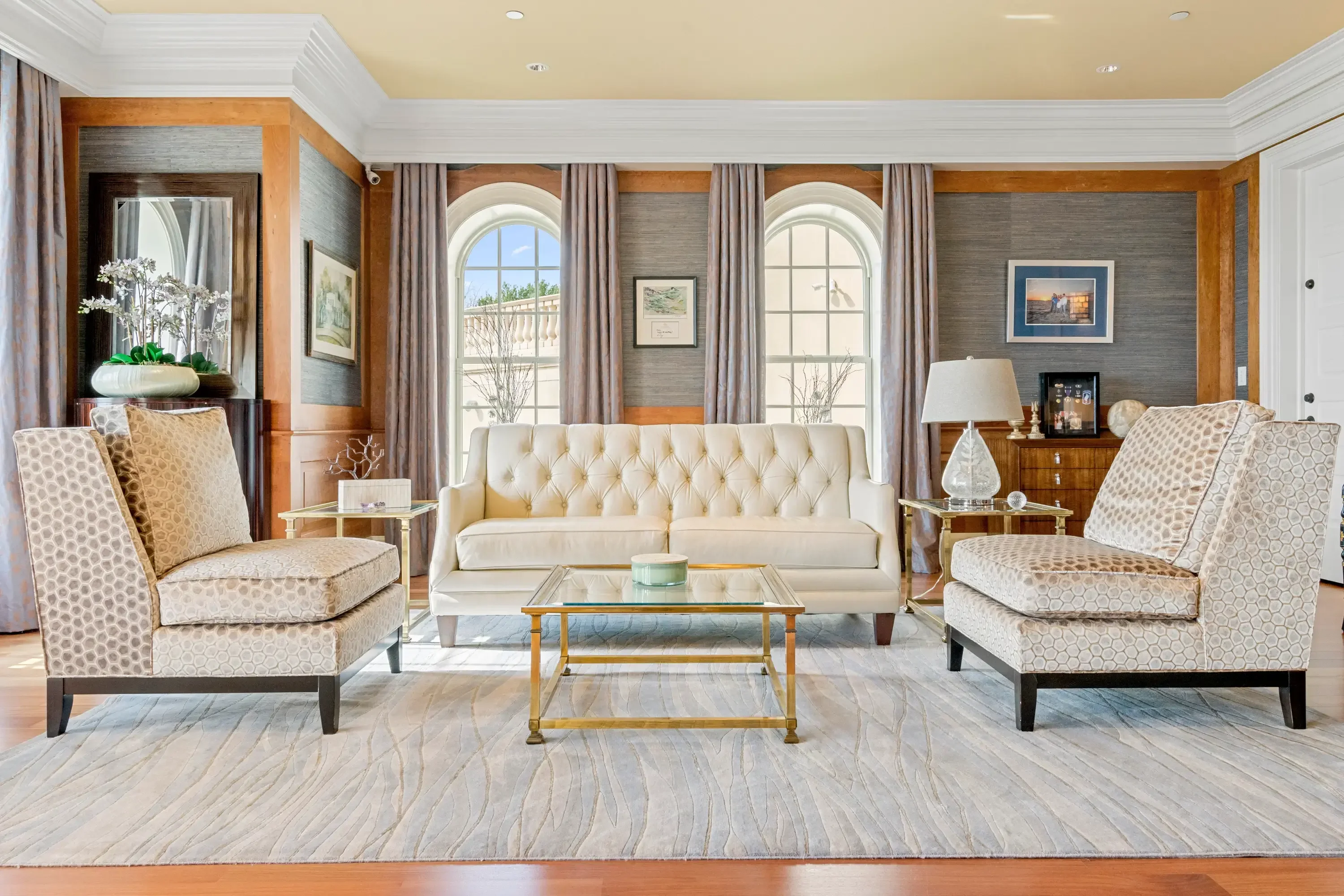
- The living room with natural light, styled pillows and a cozy feel
- The best view from a balcony, deck or window, if the view is part of the experience
- The most unique feature, like a hot tub, a fireplace or a standout kitchen
The hero image should make guests want to be there, not just think “that looks nice.”
Room-by-Room Coverage
Living room (3–5 photos):
- Wide shot showing the full layout
- Seating area with styled throws and pillows
- Entertainment setup (TV, games, books)
- A natural-light shot showing windows and views
Bedrooms (2–3 photos each):
- Wide shot with a freshly made bed, crisp linens and styled pillows
- Nightstand detail with lamp, book or charging station
- Closet or storage, so guests know where their things go
Kitchen (3–4 photos):
- Wide shot of the full kitchen
- Coffee maker, mugs and a few styled items
- Pantry or supply shelf with basic provisions
- Premium extras like an espresso machine or wine fridge
Bathroom (2–3 photos each):
- Wide shot with styled white towels
- Shower or tub detail, especially a rain shower or soaking tub
- Toiletry basket or amenity display
Outdoor spaces (3–5 photos):
- Patio or deck with furniture arranged for entertaining
- Grill, hot tub, pool or fire pit
- The view from the outdoor space
Amenity and Detail Shots
These small shots fill in the guest experience:
- Workspace: desk, lamp, outlet and good light, which matters to business travelers and anyone working remotely during a stay
- Welcome touches: a welcome basket, local guidebook or personal note
- Entertainment: game closet, streaming setup, record player
- Pet amenities if you accept pets: bowls, bed, treats
- Smart features: keypad entry, smart thermostat
- Laundry: a washer and dryer is a major filter for longer stays
Neighborhood and Location
Guests book the location as much as the property. In this market, that means:
- The walk: the coffee shop, the restaurant row on 14th Street or in Clarendon, the nearest Metro entrance
- The street: rowhouse blocks in Capitol Hill or Shaw, tree-lined streets in Arlington
- Seasonal draws: cherry blossoms, the Mall at dusk, fall on the C&O Canal towpath
Our neighborhood photography service ($119) is built for exactly this.
How to Style Your Rental for the Shoot
The camera amplifies whatever is in front of it. Styling before the shoot is what turns a good listing into a great one.
The Basics
- Fresh linens on every bed: white or light neutral tones photograph best and read as clean
- Matching towels: white, neatly folded or rolled, for a hotel feel
- Clear every surface of clutter and personal items
- Style the coffee table: a book, a candle and a plant
- Arrange outdoor furniture as if guests are about to sit down with drinks
Lifestyle Touches That Photograph Well
- A coffee mug next to the coffee maker
- An open book on the nightstand
- A wine glass and cheese board on the patio table
- A laptop on the desk with a view out the window
- A stack of board games on a shelf
Small touches like these tell a story, and guests picture themselves in it.
What to Remove
- Personal photos and memorabilia
- Cleaning supplies: mops, brooms, spray bottles
- Signage: “No shoes on the couch” and checkout-time signs don’t photograph well
- Worn or damaged items: stained pillows, chipped dishes. Replace them before the shoot
- Anything that dates the photos: old magazines, last year’s calendar
Pricing: What to Budget in the DC Area
These are UMedia’s current short-term rental prices from our pricing page. Packages are priced by square footage:
| Package | Price range | What you get |
|---|---|---|
| Guest Magnet | $279 (up to 1,000 sq ft) to $529 | Unlimited HDR photos, neighborhood and lifestyle photos, virtual twilight edit |
| Premium Rental Showcase | $415 (up to 1,000 sq ft) to $999 | Editorial luxury photography, neighborhood and lifestyle photos, 5 drone photos (outside the FRZ only) |
À la carte options for hosts:
| Service | Price |
|---|---|
| HDR photography, 10–50 photos | From $149 |
| Unlimited HDR photography | From $169 |
| Luxury photography | From $249 |
| Twilight photography | $199 |
| Neighborhood photography | $119 |
| Social media reel | $149 |
| Full-length video walkthrough | From $299 |
| 5 drone photos (outside the FRZ) | $199 |
| Virtual twilight | $15/photo |
| Expedited delivery (priority editing) | $49 |
The ROI math, as an illustration: if better photos let a $180-a-night DC rental charge $10 more per night at 60% occupancy, that’s about $2,190 a year, which covers a $279 shoot many times over. Your numbers will differ. Plug in your own nightly rate and occupancy.
We usually recommend a reshoot every 12–18 months, or sooner after a renovation or new furnishings, so the photos match what guests find.
Common Mistakes That Cost Bookings
1. Using Real Estate Photos for Your Rental
If you bought the property and listed it with the original sale photos, you’re underselling the experience. Sale photos are depersonalized on purpose. Rental photos should feel warm and lived-in.
2. Too Few Photos
Guests who can’t see a room assume the worst and book the listing where they can see everything. Most listings need 25 to 40 photos: every room, every key amenity, and the outdoor space.
3. Inconsistent Quality
Mixing three stunning professional photos with two phone snapshots is jarring, and it undermines trust in the whole listing. Shoot everything in one session.
4. No Seasonal Updates
Summer pool photos in January or bare trees in July make guests wonder whether the listing is current. Consider refreshing your seasonal hero images once or twice a year.
5. Ignoring Mobile
Many guests browse on a phone, where your hero image is a small thumbnail. Check your photos on a phone screen, not just a monitor, and lead with images that still read clearly at small sizes.
6. Showing More Than Your License or Permit Allows
In DC and Arlington, your listing photos should match what you’re licensed to rent: the rooms guests can actually use and the number of guests the permit allows. Overpromising in photos leads to bad reviews, and potentially to problems with the county or DLCP.
Platform-Specific Tips
Airbnb
- Your first five photos matter most, because they show up first. Lead with your strongest shots
- Use photo captions to tell guests what they’re looking at (“Queen bed, blackout shades”)
- Group photos by room so guests can find what they want
- Use a horizontal (landscape) cover photo
VRBO
- Pick your strongest photos rather than uploading every frame
- Make sure every room in your description has a photo
- Include safety features (smoke detectors, fire extinguisher, first aid kit) if your market or the platform asks for them
Direct Booking Sites
- Use your highest-resolution images
- Include the neighborhood and experience photos the platforms don’t emphasize
- A gallery with lightbox viewing works best on desktop
How to Get Started
Start with the basics: check your DC license or Arlington permit, decide which rooms and how many guests the listing covers, and style the space using the checklists above. Then book a package sized to your property.
Our short-term rental photography packages cover Airbnb and VRBO hosts across DC, Maryland and Northern Virginia. If you also sell or list long-term, see our guide to real estate photography in Washington, DC. And for the broader data on how photos affect results, see the ROI behind professional photos.